
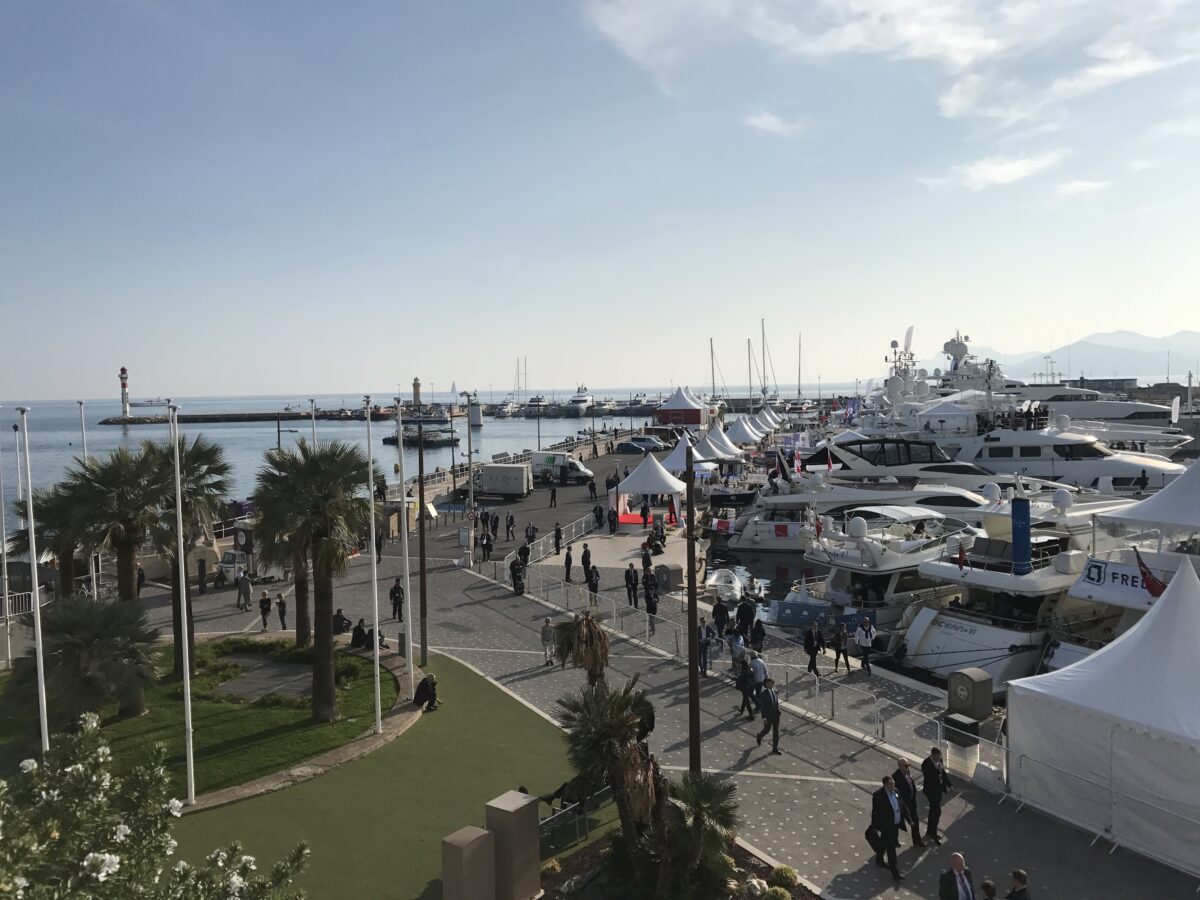
As the MIPIM is currently taking place in Cannes, the international real estate industry once again gathers for one of the most important annual meetings of investors, developers and institutional capital.
More than 20,000 participants from over 90 countries are attending the event, including many of the world’s leading investment managers representing several trillion euros in assets under management.
The discussions this year point to a clear conclusion:
capital has not disappeared from the real estate market, it has simply become far more selective in how it is allocated.
The focus of conversations is shifting from “When will the market return?” to “Which sectors will define the next investment cycle?”
Five key trends from MIPIM 2026
Institutional capital is cautiously returning
Market research from CBRE, JLL, and PwC indicates that the European investment market is stabilising.
After a sharp decline in transaction volumes between 2022 and 2024, the German real estate investment market recorded around €30–34 billion in transaction volume in 2025.
While this is not historically high, it signals an important turning point:
the market appears to have reached a floor and institutional liquidity is gradually returning.
Many investors are currently in a phase of selective re-entry, allocating capital only to clearly defined strategies.
Living remains the dominant asset class
Across Europe, residential real estate continues to be the most resilient investment segment.
Structural housing shortages, limited new construction and rising rents continue to support strong institutional demand.
Particularly attractive segments include:
- Multifamily housing
- Student housing (PBSA)
- Micro-living
- Senior living and healthcare-related housing
In Germany in particular, the combination of housing shortages and declining development activity continues to create strong long-term fundamentals.
Financing structures are reshaping the market
One of the key topics at MIPIM 2026 is the evolving financing landscape.
While banks remain cautious in the commercial real estate lending market, alternative financing structures are gaining importance.
According to the BaFin, commercial real estate continues to represent a significant risk area for banks.
This creates new opportunities for:
- Private debt funds
- Whole-loan structures
- Mezzanine financing
- Bridge financing
- Project recapitalisations
Private debt is therefore increasingly becoming a stand-alone investment strategy in European real estate markets.
Distressed and special situations are emerging gradually
Unlike previous real estate downturns, the distressed market is currently developing more gradually than expected.
Instead of widespread forced sales, market participants are mainly observing:
- refinancing pressure on individual assets
- portfolio adjustments by institutional investors
- selective sales of value-add assets
For investors with capital and operational expertise, this environment creates attractive entry points for repositioning strategies.
Infrastructure-related real estate is gaining importance
Beyond traditional asset classes, infrastructure-linked real estate sectors are attracting increasing institutional interest.
These include in particular:
- Data centres
- Life sciences real estate
- Healthcare infrastructure
- Urban logistics
These sectors benefit from long-term structural trends such as digitalisation, demographics and urbanisation.
Outlook for the German Market
The German real estate market remains challenging in the short term due to:
- weak economic growth
- high construction costs
- regulatory uncertainties
At the same time, Germany remains one of Europe’s most important investment markets due to its market size, transparency and liquidity.
The current phase of the market is likely to be defined less by a rapid recovery and more by selective investment opportunities.
The most attractive strategies currently appear to be:
- Living
- Healthcare real estate
- Logistics
- Repositioning of existing assets
- Private debt and special situations
Prime East perspective
MIPIM 2026 confirms a trend that has been developing for several months:
The next real estate cycle will not be driven by broad market optimism, but by specialisation, structuring capability and operational execution.
Investors today are not looking for generic exposure to markets. They are looking for clear investment theses with strong fundamentals.
Particularly at the intersection of urbanisation, infrastructure, residential demand and operational value creation, new opportunities are emerging in European real estate markets.
Let’s talk about capital retuns!